Postman Alternatives: Why Freelancers Are Switching to Hoppscotch and Bruno
API testing software should not demand enterprise cloud logins, consume 1.2GB of RAM, or hold your client endpoint collections hostage.
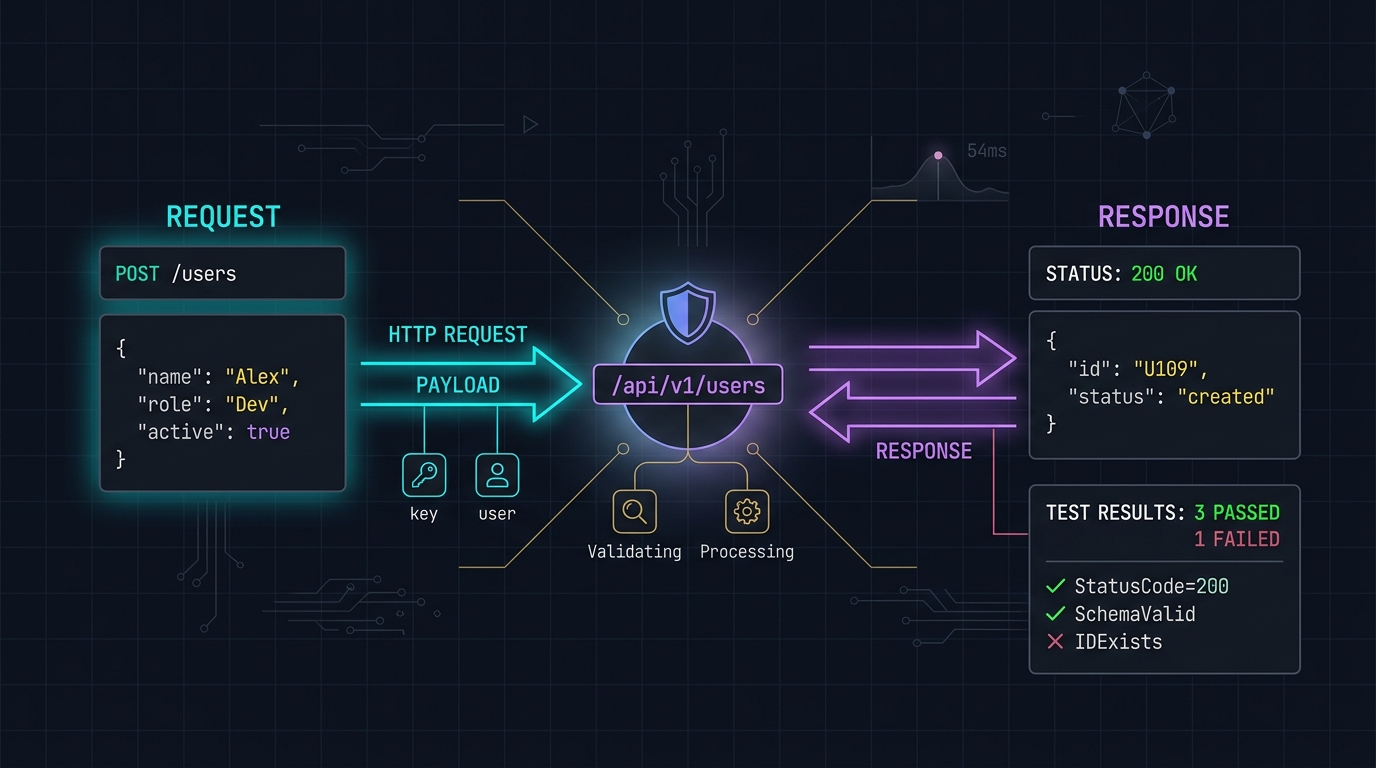
The Enshittification of the Standard API Client
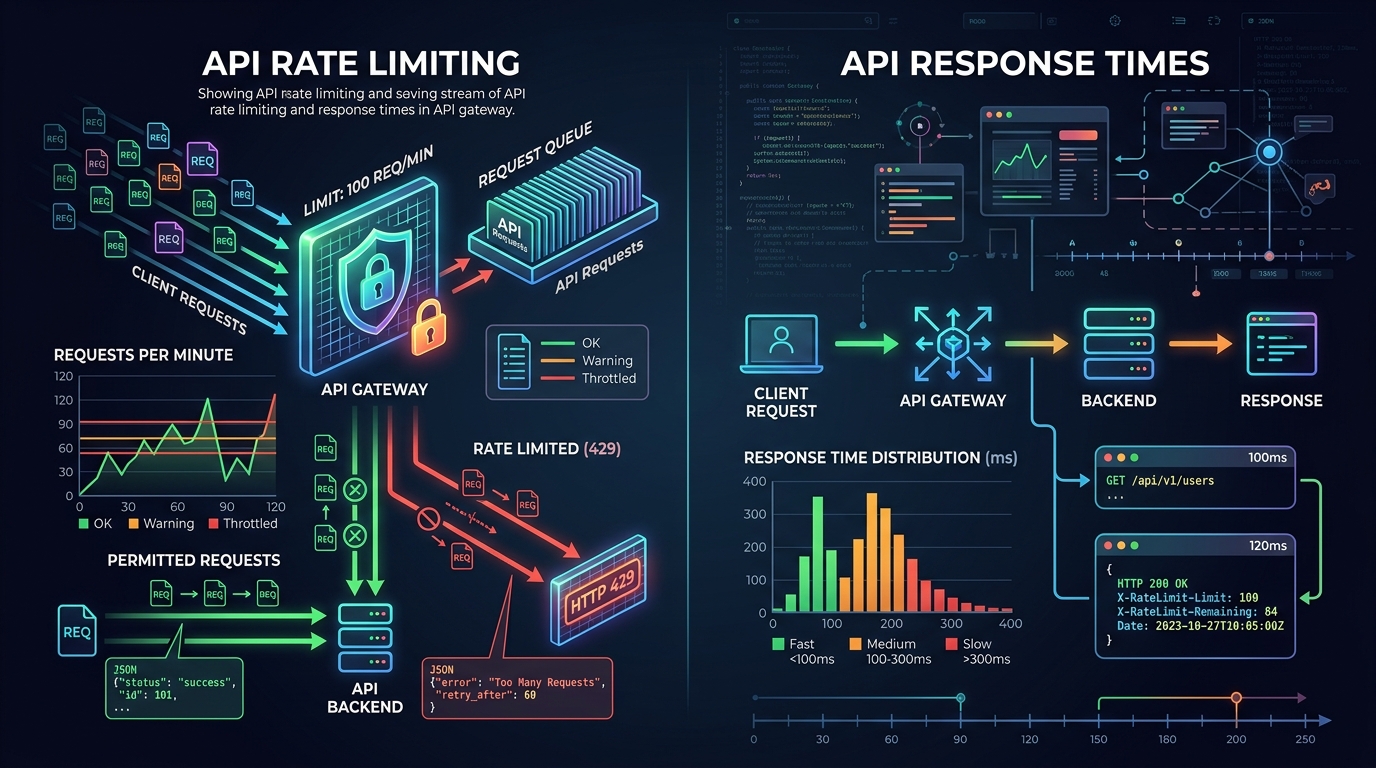 Testing API endpoints and debugging response schemas requires a fast, lightweight HTTP client.
For nearly a decade, Postman was the industry standard for HTTP and REST API exploration. Every tutorial referenced Postman collections, and every developer installed the orange runner icon on their machine.
Over recent years, however, Postman fell victim to enterprise monetization pressure:
- Forcing users to log into cloud accounts even for local
localhost:3000testing - Deprecating the offline “Scratchpad” mode
- Imposing team workspace seat caps that trigger aggressive sales outreach
- Ballooning into a multi-gigabyte Electron behemoth that idles at 1.2GB of RAM
For independent engineers building client APIs under strict non-disclosure agreements, uploading internal endpoints and staging authorization tokens to a third-party corporate cloud is unacceptable.
Here is our comparative evaluation of the two standout open-source champions: Hoppscotch and Bruno.
Hoppscotch: The Blazing Web-First Client
Hoppscotch is an open-source API development ecosystem built with Vue and Vite. It is extraordinarily light, responsive, and available as a Progressive Web App (PWA) or desktop wrapper.
Key operational strengths for freelancers:
- Instant Browser Access: You do not need to wait for a 300MB installer to download on a client machine. Visit
hoppscotch.ioand start dispatching HTTP, GraphQL, WebSocket, and SSE requests immediately. - Clean Keyboard Shortcuts: Navigation between headers, query parameters, auth tokens, and response payloads is instantaneous.
- Open Self-Hosting: If your client requires complete internal containment, you can spin up a self-hosted Hoppscotch instance via Docker in two minutes.
# Spin up your private internal API testing suite
docker run -p 3000:3000 hoppscotch/hoppscotch
Bruno: Version Control Your APIs with Git
While Hoppscotch excels as an interactive test bench, Bruno introduces an architectural breakthrough: storing API collections as plain text files inside your git repository.
In Postman, sharing an updated endpoint with a client developer requires exporting a clumsy JSON file or inviting them to a cloud workspace.
In Bruno:
- Each API request is stored as a human-readable
.brufile inside a/brunodirectory in your repository. - When you add a new endpoint, you commit the
.brufile to git in the same pull request as your backend controller code. - Client developers pull your branch and immediately have the exact collection with matching environment variables.
# Sample Bruno .bru file format
meta {
  name: Get Client Invoice
  type: http
  seq: 1
}

get {
  url: {{baseUrl}}/api/v1/invoices/inv_98432
  body: none
  auth: bearer
}

auth:bearer {
  token: {{clientApiToken}}
}
Memory & Performance Benchmark
We measured system resource consumption on macOS during an identical 20-request test suite:
| Resource Metric | Postman Desktop | Bruno | Hoppscotch PWA |
|---|---|---|---|
| Idle Memory Consumption | 1,180 MB | 72 MB | 45 MB |
| App Cold Launch Time | 4.8 seconds | 0.4 seconds | Instant |
| Cloud Account Mandate | Required | None (100% Offline) | Optional |
| Git-Native Storage | Proprietary JSON | Native Text Files | Export/Import |
| Cost | $14 - $49/mo | 100% Free | 100% Free |
The Verdict for Freelancers
There is no longer any defensible reason for an independent developer to pay for enterprise Postman tiers.
- Use Hoppscotch for rapid, ad-hoc API exploration and interactive WebSocket testing.
- Use Bruno for client production repositories where API collections should be versioned, reviewed, and maintained alongside code via standard git commits.
WHAT WE APPRECIATED (PROS)
- ✓Hoppscotch runs instantly in any browser as a lightweight PWA without local installation
- ✓Bruno stores API requests as plain text files (.bru) directly inside your git repository
- ✓Zero mandatory cloud logins, zero workspace seat caps, zero paywalled features
- ✓Memory footprint is a fraction of Postman's massive Electron runtime (<80MB vs 1.2GB)
DRAWBACKS & FRICTION (CONS)
- ✕Postman still maintains a larger library of automated mock server integrations
- ✕Hoppscotch browser extension required to bypass CORS on local development ports
- ✕Enterprise OAuth 2.0 PKCE setups can require minor manual header configuration
Postman Alternatives: Why Freelancers Are Switching to Hoppscotch and Bruno Rating Breakdown
Full-stack developers, backend consultants, and API engineers tired of Postman's cloud mandate.
Hoppscotch and Bruno offer refreshing, zero-bloat alternatives to Postman. For solo developers, Bruno's git-friendly plain text collections represent the future of API version control.
EVALUATION METRICS
Speed of setup, friction in daily operations, and intuitive mental model for non-enterprise users.
Utility of capabilities without unnecessary enterprise bloat that slows down solo execution.
Return on investment for a single seat, clear billing tiers, and fair feature gates.
Uptime track record, offline resilience, and friction-free portable data export.
Specific suitability for client collaboration, single-seat economics, and lean overhead.
Frequently Asked Questions
Why did developers begin abandoning Postman?+
In 2023 and 2024, Postman phased out the local scratchpad, requiring users to log in to cloud accounts to save requests and limiting free team workspaces. For freelancers handling proprietary client APIs under strict NDAs, sending internal endpoints to an external cloud created unacceptable compliance risk.
How does Bruno differ from Hoppscotch?+
Hoppscotch is primarily an open-source, web-based and PWA API testing client with exceptional GraphQL and WebSocket support. Bruno is an offline-first desktop app that saves your API collections as simple .bru text files right in your codebase, allowing API tests to be version-controlled with git alongside your code.

Freelance Tool Guide Team
The editorial team behind Freelance Tool Guide, independently researching and testing software for freelancers and small teams.
More Independent Software Analyses

How to Set Up a Zero-Maintenance Freelance Hosting Stack
Stop rebooting client Linux servers on weekends. Learn how freelance web developers use Vercel, Netlify, and Cloudflare to build zero-maintenance hosting stacks.
Raycast Pro Review: The Essential macOS Command Center for Freelancers
How Raycast replaces Alfred, Rectangle, Paste, and native AI assistants in a single, blazing-fast macOS application. Full freelance testing and setup guide.
Cursor vs GitHub Copilot: The Definitive 2026 Freelance Developer Review
We benchmarked Cursor and GitHub Copilot across 12 live client codebases. Here is our empirical verdict on repo context, cost efficiency, and AI speed.